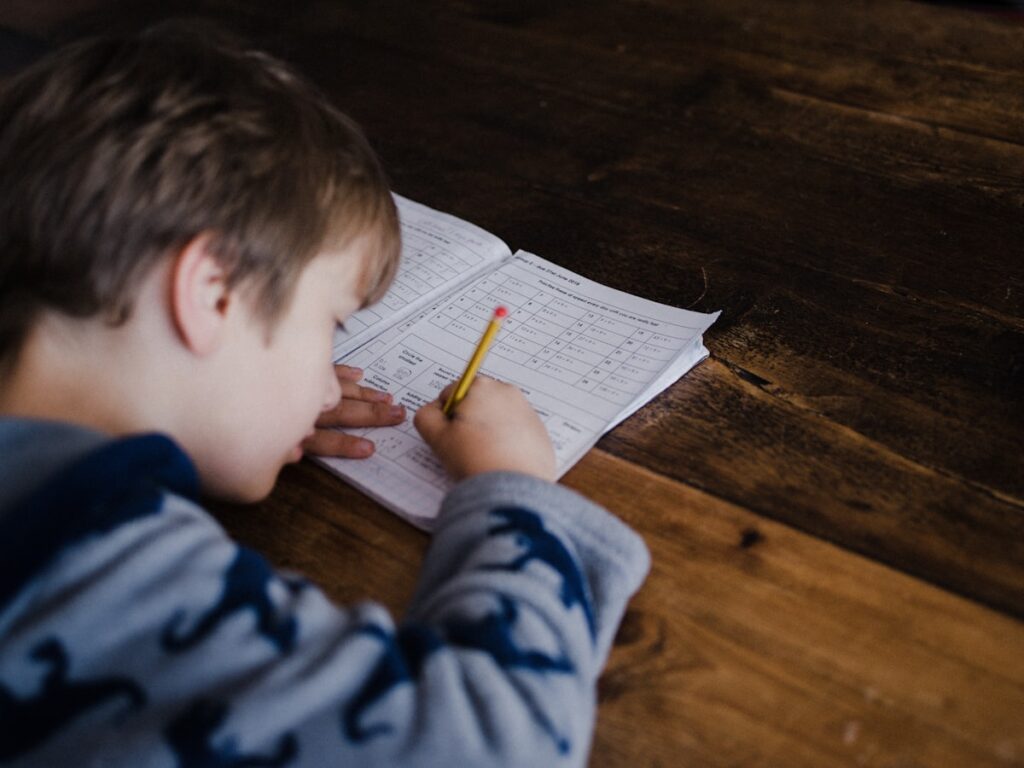
If your child is sitting the 11+ this autumn, the summer holidays are the single most valuable block of prep time you’ll get. The exams land in early September, so the weeks between now and then are when everything comes together. The good news is that 11+ summer preparation doesn’t mean filling six weeks with worksheets. A calm, consistent routine, little and often with the right focus, beats a frantic last minute scramble every time. Here’s exactly how I’d approach it.
Why summer is the best time for 11+ preparation
Most grammar school 11+ exams take place in the first two weeks of September, with some regions testing later in September or October, and results usually following in mid-October. By the time the new school term starts, the exam is only days away. Summer is the last proper stretch before the test, six weeks with no school timetable, no homework, and your child’s full attention. That’s why 11+ summer preparation is really about using those weeks well, not cramming them full. Used well, they can turn shaky topics into confident ones. Used badly, or not at all, they become the gap that shows on the day.
First, check your region and register
This is the step parents most often trip over. The 11+ isn’t one national exam. Different areas use different tests and set different deadlines, and in most cases there is no late entry. Miss your registration window and your child waits a year, however ready they are.
So before you plan any revision:
- Find out which test your target schools use (more on the exam boards below).
- Note the registration deadline for your area. Many fall across spring and summer, and some close while families are away on holiday.
- Register early. Don’t leave it to the final week.
If you only do one thing this week, make it this one.
Know what the 11+ actually tests
Across most regions, the 11+ assesses four areas: English, Maths, Verbal Reasoning and Non-Verbal Reasoning. English covers comprehension, grammar, spelling and vocabulary, and sometimes a short piece of writing. Maths follows the primary curriculum but pushes further into problem solving. Verbal Reasoning is word puzzles and logic, things like codes, analogies and sequences. Non-Verbal Reasoning is that same kind of thinking applied to shapes and patterns.
Which of these your child sits, and in what format, depends on the exam board. GL Assessment now dominates grammar-school 11+ testing (CEM stopped producing grammar-school tests in 2023). A few areas run their own consortium papers – Essex (CSSE) and Sutton (SET) test English and Maths only, and many independent schools use the ISEB Common Pre-Test. This can change from year to year, so check directly with your target school rather than assuming. It’s the difference between preparing for the right paper and the wrong one.

Build a calm summer routine
Here’s what I’ve learned after years of doing this: consistency beats intensity. A routine I’d suggest looks like this:
- Same time each day. Mornings tend to work best, when the brain is fresh and the rest of the day is still free.
- Short and focused. Around 1 to 2 hours for most children, a little longer nearer the exam if they can handle it.
- One main focus per session, rotating through the four areas across the week.
- Two days off, and properly off. Rest is part of the plan, not a reward for finishing it.
Protect the holiday, too. Days out, family trips and lazy afternoons in the garden aren’t the enemy of prep. They’re what keeps a child willing to sit down again the next morning.
Where to focus, subject by subject
- English and Maths rest on the school curriculum, so they’re the easiest to catch up on. Target the specific topics your child finds hard rather than redoing what they already know.
- Verbal and Non-Verbal Reasoning are often the least familiar, because schools rarely teach them. The skill is spotting patterns, and it really does improve with practice. A few question types a day add up fast over a summer.
- Timed practice matters in the last few weeks. Knowing the content and performing it under time pressure are two different skills, and the second is easy to forget about until it’s too late.
- Past and practice papers are brilliant in moderation. Use them to find weak spots, not to frighten anyone. One a week, reviewed properly, is worth more than five rushed through.
The part that makes the biggest difference
This is the part I care about most, and it’s where a lot of 11+ prep quietly falls down. Your child will hit questions they can’t crack, whether it’s a reasoning type that won’t click or a maths topic that keeps tripping them up, and those moments almost always happen when no tutor or teacher is in the room. If the answer has to wait until next week’s lesson, a small wobble can harden into “I’m just bad at this.”
What works is closing that gap quickly, so your child can ask the question the moment it comes up and get a proper answer back. At Atlas Learn, that’s deliberately built into how I work. Students and parents can message between lessons for homework help, and there are group sessions where children realise they’re not the only one finding something tricky. Over a summer, that steady support between lessons is often what turns “stuck” into “got it” before it ever becomes a confidence problem. The lessons matter, but it’s what happens between them that keeps the momentum going.
A simple 11+ summer preparation plan
You don’t need anything complicated. A shape like this works well:
- Early July: confirm registration is done, then do a relaxed mix of all four areas to see where your child stands.
- Mid-July to mid-August: the main work, with steady daily sessions focused on the weaker areas you’ve spotted.
- Late August: shift toward timed practice and full papers, tighten exam technique, and ease off the volume so they arrive fresh rather than frazzled.
- The final few days: light review, early nights, and plenty of reassurance. By now the work is done, and the job is simply to walk in calm and confident.
In short
Good 11+ summer preparation works best when it’s early, steady and kind. Sort the admin first, find out exactly what your child is sitting, build a routine you can keep up without tears, and make sure they have support in the moments between study sessions where the real wobbles happen. Do that, and you’ll reach September with a child who feels ready, which on the day counts for an enormous amount.
Frequently asked questions
When should we start preparing for the 11+?
Ideally about a year ahead, but a focused summer makes a real difference even if you’re starting later. The key is consistency. Little and often from now until the exam beats cramming at the end.
How many hours a day of 11+ prep over the summer?
For most children, an hour or two a day, five days a week, is plenty. Consistency matters far more than long sessions, and rest days protect motivation.
Does my child need a tutor for the 11+?
Not necessarily. Plenty of families prepare successfully at home. A tutor helps most when a child has specific sticking points, needs structure, or benefits from support between sessions. If you do decide to look for one, my guide on how to choose the right tutor walks through what to look for.
Which 11+ exam will my child sit?
It depends on your region and target schools. Most use GL Assessment, and many independent schools use the ISEB Common Pre-Test. Always check directly with the school, as boards can change.
Thinking about extra support this summer?
I’m Yasindu, and I run Atlas Learn: hand-matched, one-to-one online tutoring. If you’d like to see how it works, book a free trial lesson and we’ll take it from there.
